Israeli doctors strike; more strikes are threatened after a court-weakening law passes.

0

Following the government’s approval of a law that weakens Israel’s Supreme Court, there have been significant reactions across the country. Thousands of doctors went on strike, labour leaders threatened a general strike, and senior justices rushed back to address the crisis. The law, part of Prime Minister Benjamin Netanyahu’s divisive judicial overhaul, faced fierce resistance for seven months, including a rare warning from the United States. The bill was unanimously passed by the governing coalition, which includes ultra-nationalist and ultra-religious parties, prompting civil rights groups to petition the Supreme Court to overturn it.

The situation has raised concerns about further social and political unrest, with military reservists announcing their refusal to turn up for voluntary service and high-tech businesses considering relocating. Moreover, the judicial overhaul may strain ties with the Biden administration and impact alliances with Arab states while deepening conflicts with the Palestinians.

The implementation of the law coincided with Netanyahu’s release from the hospital, where he had a pacemaker implanted, adding more complexity to the already dramatic series of events. The Israeli Medical Association and the Histadrut, Israel’s largest labour union, also joined the protests.

Supporters of the judicial overhaul argue that it is necessary to curb the powers of unelected judges and strengthen elected officials. However, opponents fear that it will undermine Israeli democracy and give the prime minister excessive control over the executive and legislative branches of government. The Supreme Court plays a crucial oversight role in Israel’s political system.

The protests have illuminated Israel’s social and religious divisions, with demonstrators mainly coming from the secular middle class, while Netanyahu’s supporters tend to be more religious and live in settlements or rural areas. The crisis has become a constitutional challenge, as any move by the court to strike down the new law could result in an unprecedented collision with the government.

Overall, the situation has raised significant concerns about the future of Israeli democracy and the stability of the country. The judicial overhaul has sparked intense debates about the balance of power and the values underlying Israeli society.

Spotify increases the premium subscription price for its users.

0

Spotify is increasing prices for its 200 million ad-free subscribers for the first time in more than a decade, as the platform announced. In the UK, individual plans will rise by £1 per month to £10.99, premium duo plans will be £14.99, and family plans will cost £17.99. The student plan remains unchanged at $5.99. Similar price hikes will apply to the US, Canada, and 49 other territories. In the US, individual plans will go up from “$9.99 to $10.99, premium duo plans from $12.99 to $14.99, family plans from $15.99 to $16.99, and the student plan from $4.99 to $5.99.”

The streaming service announced, “We are changing our Premium prices across a lot of locations throughout the world so that we can keep developing. We will be able to provide value to fans and artists on our platform thanks to these upgrades. Before the new prices go into effect, users will have a grace period of one month, unless they cancel before that time.”

Spotify had previously raised prices for US family plans and UK student, duo, and family plans in 2021, leaving individual subscriptions unaffected. Other streaming services like Peacock, Apple Music, Max, Netflix, and Paramount+ have also recently increased subscription costs. The new “Spotify Premium” cost now matches the monthly plans of competitors “Apple Music” and “Amazon Music.”

In an April earnings call, Swedish CEO Daniel Ek mentioned the possibility of raising prices in 2023, stating that when the timing is right, the increase would be well-received as the company continues to provide value for its customers. Earlier this year, the music giant cut 6% of its staff, citing a need to improve efficiency. Spotify will keep providing a free plan with ads. Currently, there are 515 million active Spotify users throughout 180 regions, with about 40% of them being paid members. On Tuesday, the corporation is expected to release its most recent financial figures.

Andrey Rublev defeats Casper Ruud and wins the Swedish Open in straight sets.

0

Andrey Rublev claimed victory at the Swedish Open in Bastad by defeating Casper Ruud in straight sets. The world number seven from Russia secured a 7-6 (7-3), 6-0 win over Norway’s Ruud, clinching his second title of the year. Meanwhile, Pedro Cachin, aged 28, secured his first career title at the Swiss Open, where he beat 35-year-old Albert Ramos-Vinolas of Spain with a scoreline of 3-6, 6-0, 7-5.

These clay-court events typically take place after Wimbledon and before the US hard-court swing. Although Ruud, ranked number four in the world, won the Bastad title in 2021, he couldn’t replicate that success this time as he was outplayed by Rublev, who had previously won a clay title at the Monte Carlo Masters 1000 event this season. On the other hand, Argentine Cachin, currently ranked 90th, will rise to a career-high ranking of 49 following his maiden title win in Gstaad, Switzerland. Ramos-Vinolas, despite being broken up in the third set, couldn’t capitalise on the opportunity to secure his fifth career title.

In other tennis events, French veteran Adrian Mannarino, aged 35, won his third ATP Tour title by defeating 18-year-old American Alex Michelsen 6-2, 6-4 at the Hall of Fame in Newport, Rhode Island.

In the Hopman Cup final in Nice, Croatia secured victory for the second time by defeating Switzerland 2-0. Donna Vekic, ranked 22nd in the world, led Croatia’s day with a 6-3, 6-4 win over Celine Naef, who is ranked 157. Borna Coric, ranked 15th in the world, sealed the victory with a 6-1, 6-4 triumph over 21-year-old Leandro Riedi, the world number 160. Croatia repeated their 1996 Hopman Cup triumph against Switzerland, a team that had previously won the title four times.

The Hopman Cup returned after a four-year hiatus, having been replaced by the short-lived ATP Cup men’s team event. The previous edition in 2019 saw Roger Federer and Belinda Bencic lead Switzerland to victory against Germany in an event named after Australian great Harry Hopman.

Health changes after abstaining from non-vegetarian food for a month

0

The World Economic Forum reports a gradual increase in vegetarianism, particularly in the United States and Europe, over the past few years. Dr. Ekta Singhwal, an MSc (Dietician) at Ujala Cygnus Group of Hospitals, highlights several reasons why many non-vegetarians are transitioning to veganism or vegetarianism. These factors encompass ethical and environmental concerns, health benefits, and the wider availability of plant-based alternatives.

Dr. Singhwal emphasises the numerous advantages of adopting a plant-based diet, particularly in promoting healthy digestion and preventing constipation due to its higher fibre content, as noted by Pasha.

Moreover, she explains that switching to a plant-based diet can aid weight management or weight loss, as plant-based foods generally have a lower calorie density compared to animal products. Additionally, the fibre-rich nature of these foods increases feelings of fullness and reduces overall calorie intake. In contrast, animal-based foods, especially processed meats, have been associated with heightened inflammation in the body.

Furthermore, animal-based foods high in saturated and trans fats are significant sources of dietary cholesterol.

Additionally, Dr. Singhwal highlights that plant-based diets are abundant in antioxidants, providing protection against oxidative stress and cellular damage.

Plant-based diets are also rich sources of vitamins, minerals, and complex carbohydrates, supporting sustained energy levels throughout the day. Furthermore, Dr. Singhwal warns that non-vegetarian diets, particularly those containing processed and red meats, have been linked to an increased risk of certain diseases, including cancer. The “World Health Organisation (WHO)” classifies processed meats like bacon, sausages, and deli meats as carcinogens, associated with a higher risk of colorectal cancer. Similarly, red meats such as beef, pork, and lamb have been linked to an increased risk of colorectal, pancreatic, and prostate cancers. While the precise mechanisms are not fully understood, factors like heme iron, nitrites, and heterocyclic amines formed during cooking may play a role.

It is important to recognise that not all non-vegetarian foods pose the same level of risk, and moderate consumption, especially of lean meats and fish, can still be part of a healthy diet. Nevertheless, Dr. Singhwal recommends minimising the intake of processed and red meats while prioritising a plant-based diet to reduce associated health risks.

Wheat prices surged due to Russia’s ship threats in Ukraine.

0

Global wheat prices have experienced a significant surge following Russia’s announcement that it would treat ships heading to Ukrainian ports as potential military targets. The move came after Moscow withdrew from a grain deal that previously guaranteed safe passage for grain shipments through the Black Sea. In response, a White House spokesperson accused Russia of planning to blame Ukraine for attacks on civilian ships.

President Vladimir Putin stated that Russia would return to the grain agreement if specific demands were met, including reconnecting Russia’s agricultural bank to a global payment system. However, the situation escalated with Russian air strikes hitting Ukrainian cities. Notably, an air strike on Mykolaiv wounded 18 people, and other attacks were reported on the port of Odesa. Additionally, a drone strike in Russian-controlled Crimea resulted in the death of a teenage girl.

Ukrainian President Volodymyr Zelensky accused Russia of deliberately targeting grain export infrastructure, putting vulnerable countries at risk. In response, Kyiv urged other countries in the Black Sea region to intervene and ensure the safe passage of cargo ships.

As a consequence of these developments, wheat prices on the European stock exchange and US wheat futures experienced substantial spikes, reaching their highest daily rise since Russia’s invasion of Ukraine. The Ukrainian Agriculture Minister reported that the strikes had caused significant damage to grain export infrastructure, destroying 60,000 metric tonnes of grain.

Analysts expressed concerns that the threat of escalation could disrupt waterborne grain shipments in the Black Sea, affecting both Russian and Ukrainian shipments and causing a situation reminiscent of the conflict’s early stages.

In light of the situation, President Putin accused the West of using the grain deal as “political blackmail.” Additionally, Moscow accused Ukraine of using the Black Sea grain corridor for “combat purposes” following an attack on its sea bridge to Crimea. The events have created tension in the Black Sea region and have major implications for global grain markets.

Neopets plans $4 million comeback, reviving a virtual pet website

0

“Neopets,” the virtual pet website that gained popularity in the late 1990s and early 2000s, is making a comeback. The site, which allowed users to care for virtual pets, chat, and play games, lost its appeal over time and experienced technical issues after being acquired by Viacom in 2005 for $160 million (£122 million).

Now, Neopets is aiming for a “new era” with $4 million in funding to revamp the site and reintroduce 50 classic games on July 25th. During its peak, Neopets had 25 million users, comparable to the popularity of Tamagotchis and other virtual pets. However, by 2017, the daily user count had plummeted to just 100,000, as reported by former CEO David Lord.

Neopets was an early form of social media, fostering community interaction before the rise of Facebook and Twitter. However, much of the website relied on Adobe Flash, which is no longer supported by modern browsers and was never supported on Apple devices.

The question remains whether the promise of new funding and improved functionality will entice users to return to their neglected virtual pets. Krista, a fan who runs the Neopian Lore YouTube channel, expresses both excitement and cautiousness. In the past, Neopets has made announcements that were not followed through.

Neopets stated that a management buyout has made the website an independent business, free from the constraints of a large corporate owner. The newly united Neopets Team now has the authority to make decisions and develop the brand strategy for Neopets, focusing on enhancing the game and community experience.

The “new era” will commence with a refreshed homepage on July 20th, followed by the reintroduction of 50 classic games five days later. Neopets also plans to address and improve upon many beloved games in the future.

Krista believes that a resurgence is possible, although the user base may differ from the past. Nostalgia and a desire to relive the “glory days” are strong factors driving the popularity of reboots and revivals, offering comfort and familiarity to people.

Victoria’s cancellation puts the “2026 Commonwealth Games” in jeopardy.

0

The “2026 Commonwealth Games” face uncertainty as the Australian state of Victoria has withdrawn its plans to host the event due to budgetary concerns. The “Commonwealth Games Federation (CGF)” had struggled to find a host before Victoria stepped forward in April 2022. However, the state premier stated that the projected cost had tripled and had become unaffordable for Victoria.

The CGF expressed deep disappointment over the decision and emphasised its commitment to finding a solution. The Commonwealth Games, held every four years, were only cancelled during World War II. Participation in the games is limited to athletes from the 56 member countries of the Commonwealth, most of which were formerly part of the British Empire.

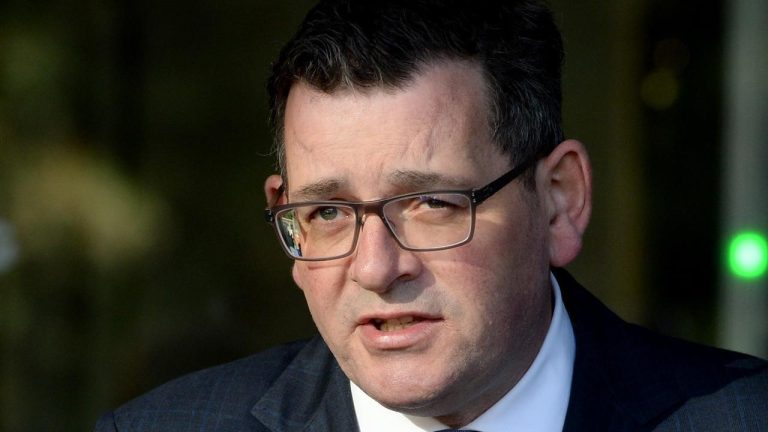
Victorian Premier Daniel Andrews explained that while the state had been willing to help by hosting, there were limits to what they could bear financially. The initial estimate for the event, to be hosted across cities including Geelong, Bendigo, and Ballarat, was A$2.6 billion. The state government had positioned the games as a boost for the regions.

The CGF stated that the new estimate of A$6 billion, double the figure they had been advised of in a recent board meeting, was due to Victoria’s chosen regional delivery model for the games. The government’s decisions to include more sports and alter venue plans, often against the advice of the CGF and its Australian arm, contributed significantly to the increased costs.

The decision not to host the games is seen as a massive humiliation for Victoria and damaging to its reputation as a global event leader, according to Victorian Opposition Leader John Pesutto. “Commonwealth Games” Australia’s CEO also disagreed with the cited cost blowout, considering it a gross exaggeration. Efforts will now be made to find another Australian host for the 2026 games, but all of the country’s states have ruled out stepping in.

In recent years, the “Commonwealth Games” have faced challenges in securing viable hosts. Durban, originally selected to host the 2022 games, had its hosting rights revoked in 2017 due to financial issues and missed deadlines. Birmingham ultimately agreed to host nine months later. The CGF had aimed to announce the host for the 2026 games in 2019, but the withdrawal of several bidders due to cost concerns led to Victoria being confirmed as the host in 2022.

Iran reinstates morality police to enforce the “Islamic dress code” for women.

0

Iranian authorities launched a new campaign on July 16 to enforce the compulsory wearing of the Islamic headscarf for women as morality police return to the streets after a 10-month hiatus. This comes in the wake of nationwide protests triggered by the death of Mahsa Amini while in custody of the morality police. The protests had called for the overthrow of the longstanding theocratic rule in Iran.

Following a severe crackdown earlier this year, which resulted in the deaths of over 500 protesters and the detention of nearly 20,000 individuals, the protests had largely subsided. However, many women, particularly in Tehran and other cities, continued to defy the official dress code.

During the protests, the presence of the morality police on the streets had significantly diminished, and there were even rumours, later denied, that they had been disbanded. Despite this, Iranian authorities maintained that the rules regarding the compulsory hijab had not changed. The ruling clerics in Iran consider the hijab to be a crucial aspect of the Islamic revolution and regard more relaxed dress as a symbol of Western decadence.

On July 16, General Saeed Montazerolmahdi, a police spokesman, announced that the morality police would resume their activities of notifying and detaining women who were not wearing the hijab in public. In Tehran, the morality police were seen patrolling the streets in marked vans.

The hijab issue became a rallying point during the protests, with women playing a prominent role. The demonstrations quickly evolved into broader calls for the overthrow of the clerical rulers, as the predominantly young protesters accused them of corruption, repression, and detachment from the people. The Iranian government attributed the protests to a foreign conspiracy without providing evidence.

Numerous Iranian celebrities, including renowned filmmakers and actors, joined the protests. Several Iranian actresses were detained for appearing in public without wearing the hijab or expressing support for the protests. In a recent case, actress Azadeh Samadi was banned from social media and ordered by a court to undergo psychological treatment for “antisocial personality disorder” after attending a funeral wearing a cap on her head.

MPs describe the additional energy bill scheme as a major failure.

0

A senior Member of Parliament (MP) has described a scheme aimed at assisting individuals who missed out on last winter’s £400 energy bill subsidy as a “remarkable failure.” The Energy Bill Support Scheme Alternative Funding was established to provide support to households without an energy supplier, such as those living in park homes. While nearly a million households were eligible to apply, only a small fraction received financial assistance.

MP Angus MacNeil expressed his view that the government should reopen the scheme, highlighting that it had neglected the most vulnerable individuals. The government stated that it had allocated over £50 million to support 130,000 households without a domestic energy supplier.

Last year, all households in the UK were eligible for a £400 subsidy to help with fuel bills due to a significant increase in energy prices. For those who paid their bills through direct debit, the support was automatically provided through monthly payments from October to March. However, individuals living off-grid, such as those on narrow boats or in park homes, as well as tenants, travellers, and those on heat networks, did not receive the support automatically as they lacked an energy provider.

The “Alternative Funding Scheme” was introduced by the government to cater to over 900,000 households falling into these categories. It also extended to individuals residing in care homes who were charged for energy costs in their bills. However, only 141,000 bill payers managed to apply for and receive the subsidy before the scheme concluded on May 31st. As a result, there are still 750,000 eligible households that have missed out on the £400 support payment.

Criticism of the scheme has emerged, with some applicants finding it overly complex or inadequate in recognising their circumstances. Others reported repeated rejections of their applications despite meeting the eligibility criteria. In response, a government spokesperson highlighted the billions of pounds allocated to protect families during the winter, when prices rose, and the significant decrease in wholesale energy prices since their peak.

ChatGPT owner under investigation for false answer risks

0

US regulators are investigating OpenAI, an artificial intelligence company, regarding the potential risks posed by its ChatGPT model in generating false information. The Federal Trade Commission (FTC) has sent a letter to OpenAI, backed by Microsoft, requesting information on how the company addresses risks to individuals’ reputations. This inquiry reflects the increasing regulatory scrutiny surrounding AI technology.

ChatGPT is capable of generating human-like responses to user queries in a matter of seconds, diverging from the traditional search engine’s results consisting of links. This AI technology, along with similar products, is expected to significantly transform the way people access information online. However, its emergence has sparked intense debates, ranging from concerns about data usage and response accuracy to potential violations of authors’ rights during the technology’s training phase.

The FTC’s letter specifically asks OpenAI about the measures taken to mitigate the risk of generating false, misleading, disparaging, or harmful statements about real individuals. The commission is also examining OpenAI’s approach to data privacy, including how it acquires data for training and informing the AI system.

OpenAI’s CEO, Sam Altman, has expressed the company’s willingness to cooperate with the FTC, highlighting the extensive safety research and efforts made to ensure ChatGPT’s alignment and safety before its release. Altman emphasised OpenAI’s commitment to user privacy and the design of their systems to focus on learning about the world rather than private individuals.

The FTC, under the leadership of Chair Lina Khan, has taken a prominent role in regulating major tech companies. Khan, known for her criticism of America’s anti-monopoly enforcement related to Amazon, has faced criticism from some quarters, accusing her of overstepping the boundaries of the FTC’s authority. Despite these challenges, the FTC continues to play a significant role in scrutinising tech giants.

This investigation by the FTC is not OpenAI’s first encounter with regulatory challenges. In April, Italy temporarily banned ChatGPT due to privacy concerns. The service was later reinstated after implementing age verification tools and providing more comprehensive information about its privacy policy.