Met Police Receives Report of Alleged 2003 Sexual Assault Amid Russell Brand Accusations

0

The Metropolitan Police has acknowledged receiving a report of a sexual assault dating back to 2003, prompted by recent media accusations surrounding Russell Brand. While refraining from explicitly mentioning Brand, police have confirmed their engagement with the woman who made the report and are providing her with support.

Over the weekend, the comedian and actor found himself facing allegations of rape and sexual assaults spanning from 2006 to 2013, all of which he vehemently denies. Following these allegations, the promoter has confirmed the postponement of upcoming shows on Brand’s live tour.

On Monday, one of the women whose allegations against Brand were part of the investigation by The Times, The Sunday Times, and Channel 4 Dispatches described the comedian’s behaviour as an “open secret” and criticised his denials as “laughable.”

In a statement, the Metropolitan Police stated they were aware of the media allegations and went on to say, “On Sunday, September 17, the Met received a report of a sexual assault alleged to have taken place in Soho in central London in 2003.” The force emphasised their commitment to ensuring that anyone who believes they are a victim of a sexual offence, “no matter how long ago it was,” knows how to report it to the police.

Russell Brand has staunchly denied all claims of misconduct, characterising the situation as “a coordinated attack” involving “very serious allegations that I absolutely refute.” He maintains that his relationships have always been consensual.

Brand’s publisher, Bluebird, has also revealed that they are “pausing” all future projects with him. Despite being a best-selling author, Brand’s ongoing book project set for publication this December is now uncertain amidst the allegations.

The investigations are ongoing, with more allegations reportedly received by The Times. Culture Secretary Lucy Frazer has expressed her intention to engage with broadcasters about their ongoing investigations into Russell Brand, while Prime Minister Rishi Sunak’s spokesman has underscored the seriousness of the allegations, emphasising the necessity to eliminate harassment from all spaces.
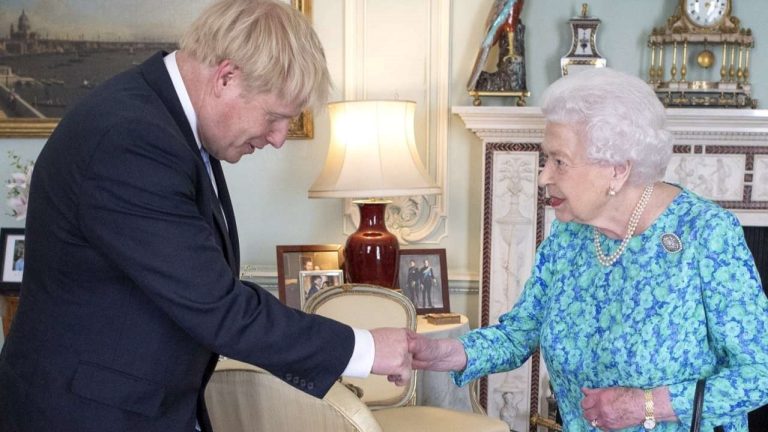
Amid the pandemic, officials contacted the palace about Boris Johnson’s behavior.

0

During the height of the pandemic, senior government officials held discussions with Buckingham Palace, expressing deep concerns about Prime Minister Boris Johnson’s behaviour in office, according to insider sources. These officials even contemplated suggesting to Queen Elizabeth II that she address these concerns with Mr. Johnson during private audiences. These revelations are part of the second episode of the BBC documentary series “Laura Kuenssberg: State of Chaos.”

This documentary delves into the tumultuous events that unfolded in Westminster and Whitehall over a four-year period, spanning from 2016 to the departure of Liz Truss as prime minister in 2022. In May 2020, while the government grappled with the pandemic, significant tensions arose between Boris Johnson’s political team and the Civil Service.

Insiders have now disclosed that senior officials voiced their apprehensions about the former prime minister’s conduct in government directly to Buckingham Palace. These concerns were expressed with the hope that Queen Elizabeth could address them during their private conversations.

These discussions between the Palace and senior officials went beyond routine communication channels between Number 10 and Buckingham Palace. One source even noted that the then-prime minister “had to be reminded of the constitution.”

The atmosphere within Downing Street during that period was described as “utterly grim” and “totally crazy.” Relationships had deteriorated to the point of toxicity, and the once-established links between Boris Johnson’s team and the Civil Service had broken down.

It’s worth noting that Buckingham Palace had already been concerned about the behaviour of Boris Johnson’s government following the controversial “prorogation” of Parliament in 2019, a move executed by the Queen that was later ruled unlawful by the Supreme Court.

Helen MacNamara, the former deputy cabinet secretary, refused to delve into the specifics of the discussions with Buckingham Palace during the documentary. However, she did emphasise the extreme frustration and calls for a systemic overhaul within Number 10 during the period following the prime minister’s recovery from a bout of COVID-19, noting that the political team was advocating for a complete reset of the system and institutions.

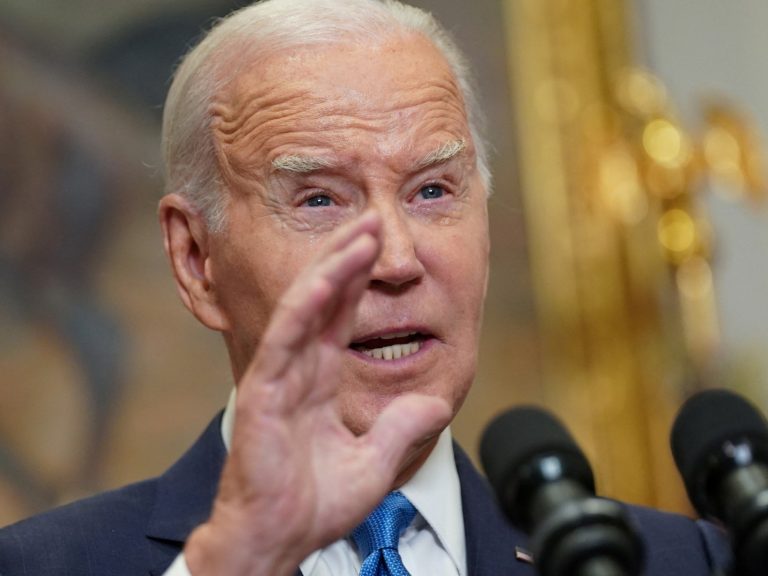
President Biden supports striking autoworkers in wage disputes with major automakers.

0

US President Joe Biden has thrown his support behind striking workers engaged in a wage dispute with three of the country’s largest car manufacturers. Nearly 13,000 employees at General Motors, Ford, and Stellantis plants walked off the job on Friday as labour negotiations hit an impasse.

In his remarks, President Biden expressed empathy for the workers’ frustration and stated that while nobody wished for a strike, workers deserved a fair share. He urged the companies to go further in their offers to ensure that record corporate profits translated into record contracts for employees.

The strike, which affected all three major automakers simultaneously, is an unprecedented event in union history. The United Auto Workers union (UAW), representing over 140,000 workers, has demanded a 40% pay increase over the four-year contract, among other requests, which is significantly higher than the approximately 20% increase proposed by the companies.

The union has justified its demands by highlighting the substantial compensation packages received by company executives, each exceeding $20 million last year. Currently, full-time plant workers earn hourly wages of around $32, depending on seniority, in addition to bonuses and other benefits, while temporary workers, a category the union seeks to reduce, earn less.

The dispute has the potential to result in higher car prices and significant disruptions for the automotive giants, particularly as they invest billions in transitioning to electric vehicle production.

The companies argue that the union’s demands are excessive at a time when they are already making substantial investments in electric vehicle technology to ensure their long-term viability. General Motors CEO Mary Barra stressed the need to ensure the company’s success for the next century while expressing a willingness to negotiate and resolve differences.

This labour dispute serves as a crucial test for President Biden, who has positioned himself as a pro-union leader but faces the challenge of addressing inflation concerns and securing organised labour support for his re-election campaign next year. His administration is sending top advisers, including Labour Secretary Julie Su, to assist in negotiations.

The strike, initially affecting GM, Stellantis, and Ford plants in Missouri, Ohio, and Michigan, has generated significant activity at union offices, with workers signing up for picket duties and displaying signs of solidarity.

European Central Bank’s Record Rate Hike Amid Inflation Worries

0

The European Central Bank (ECB) has taken a historic step by increasing Eurozone interest rates to a record high. This marks the 10th consecutive rate hike, raising the key rate from 3.75% to 4%. The ECB justified this decision by expressing concerns about persistently high inflation levels and anticipating that inflation, which measures the rate of price increase, would average 5.6% in 2023.

However, the ECB hinted that this recent rate hike might be the last for the time being. The bank stated that it believes the current interest rate levels, if maintained for a sufficient duration, will significantly contribute to a timely reduction of inflation to target levels. The ECB’s expectations foresee a decrease in inflation to approximately 2.9% in the Eurozone next year and further down to 2.2% in 2025.

Rising food and energy prices have exerted pressure on household budgets in the Eurozone, mirroring similar global challenges. Central banks, including the ECB, have responded by increasing interest rates as a measure to curb rising prices. The rationale behind this move is to make borrowing money more expensive, thereby reducing disposable income, curbing consumer spending, and alleviating inflation. However, the central banks must strike a balance because overly aggressive rate hikes can lead to economic recessions.

Comparatively, the UK currently maintains higher interest rates at 5.25% but faces even higher inflation at 6.8%. The Bank of England is also expected to raise rates in the near future.

The ECB remains committed to bringing inflation back to its 2% target within a reasonable timeframe. Yet the bank acknowledged that it had significantly downgraded its economic growth projections due to the impact of these higher rates.

ECB President Christine Lagarde did not rule out additional rate increases but emphasised that the focus would shift towards the duration of the current rate levels. However, she noted that the ECB couldn’t definitively declare that they had reached the peak.

In June, revised data revealed that the Eurozone had entered a recession during the previous winter, with Germany’s economic performance as Europe’s largest economy contributing to the downturn. A recession is generally defined as two consecutive quarters of economic contraction and can have adverse effects on businesses and employment.

The UK chip designer makes a comeback with a $54.5 billion market move.

0

Arm Holdings, the UK-based chip designer, is set to return to the stock market with a valuation of $54.5 billion (£43.6 billion), marking the largest “initial public offering (IPO)” of the year. Each share was priced at $51, which is at the upper end of the indicated range for potential investors.

Arm’s shares are scheduled to begin trading on the New York Nasdaq stock market, and the IPO raised $4.87 billion for its owner, SoftBank Group of Japan, through the sale of 95.5 million shares. Notably, major Arm customers such as Apple, Google, Nvidia, Alphabet, Advanced Micro Devices, Intel, and Samsung expressed their intent to invest in the IPO.

In March, Arm announced its decision not to list its shares in the UK, a move that dealt a blow to the London stock market. Earlier reports in January suggested discussions between Prime Minister Rishi Sunak and SoftBank regarding a potential UK listing. However, Arm ultimately determined that a sole listing in the US was the most favourable path forward.

Hermann Hauser, a key figure in the development of Arm processors, attributed the US listing to the UK’s departure from the European Union, which impacted the London Stock Exchange’s reputation and capabilities. While the initial hope was for a dual listing, the size of the IPO made it impractical for the London Stock Exchange.

Arm, often regarded as a cornerstone of the British technology industry, estimates that its chips power approximately 70% of the world’s population’s devices, including nearly all smartphones.

SoftBank took Arm private seven years ago in a $32 billion deal. An attempt to sell Arm to US chip giant Nvidia was abandoned in February of the previous year due to significant regulatory challenges across the UK, US, and European Union.

North Korea launches ballistic missiles off the east coast amid diplomatic talks.

0

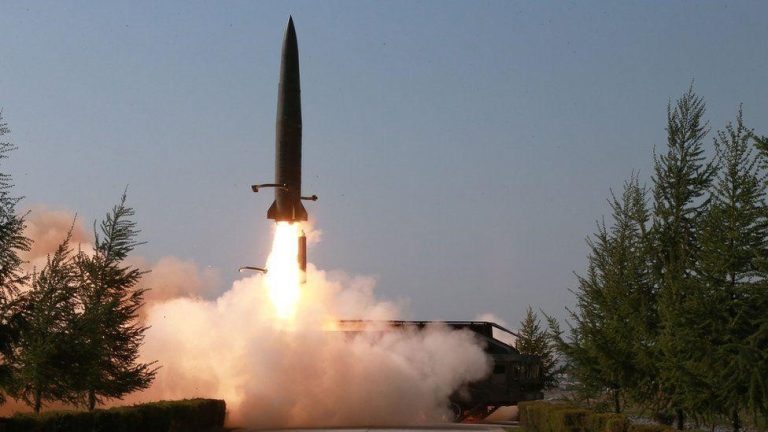
On September 13, 2023, North Korea conducted the launch of two ballistic missiles along its eastern coast, as reported by South Korea’s Joint Chiefs of Staff and the Japanese Coast Guard. This incident occurred just hours before leader Kim Jong-un was scheduled to meet with President Vladimir Putin in Russia, marking the first such missile launch during Kim’s rare overseas trip.

Details regarding the size and range of the missiles were not immediately available. However, approximately five minutes after the initial launch warning, Japan’s Coast Guard confirmed that one of the missiles had fallen into the sea. Japan’s Chief Cabinet Secretary, Hirokazu Matsuno, announced that Japan had lodged a protest against North Korea through diplomatic channels in Beijing. Both missiles landed outside Japan’s exclusive economic zone (EEZ).

It’s essential to note that North Korea’s missile launches, spanning from short-range to intercontinental ballistic missiles (ICBMs), are in violation of United Nations Security Council resolutions and pose a threat to regional stability. These activities have drawn international condemnation, and previous resolutions with sanctions were passed with the support of China and Russia in 2017.

China and Russia have called for the easing of sanctions on North Korea, hoping to facilitate diplomatic negotiations and address humanitarian concerns. Kim Jong-un’s visit to Russia marks a significant international engagement, especially given his limited overseas travel since taking power in 2011. While it remains unclear how he manages command and control of North Korea’s missile and nuclear forces during such trips, analysts have observed recent drills indicating a system for overseeing nuclear weapons similar to those employed by the United States and Russia.

In a March report, the 38 North programme, which monitors North Korea, outlined a process revealed through state media announcements. This process involves commanders of various units and sub-units, a launch approval system, and the presence of “technical and mechanical devices” governing the control of nuclear weapons within the country. These developments raise concerns about the stability and security of the Korean Peninsula and the broader implications for regional peace.

Trump’s legal team requests the recusal of the judge in the election subversion case.

0

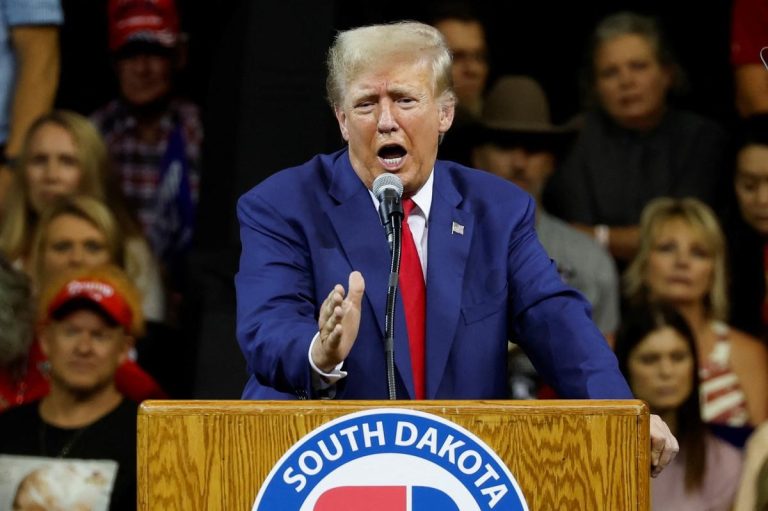
Donald Trump’s legal team has requested the recusal of U.S. District Judge Tanya Chutkan, who is presiding over his election subversion case in Washington. They argue that her past public statements about the former president and his connection to the January 6, 2021, Capitol riot raise doubts about her impartiality.

Judge Chutkan, nominated to the bench by President Barack Obama, is known for her tough stance on the January 6 defendants. However, the chances of her recusing herself are considered low, as the decision rests with her.

This move adds to the existing tensions between Trump’s defence team and Judge Chutkan, who has cautioned against inflammatory remarks from Trump but has faced criticism from him on social media. The defence also expressed concerns that Trump’s statements branding her as “highly partisan” could influence potential jurors.

Chutkan scheduled the trial for March 4, 2024, despite objections from defence lawyers who argued for more preparation time. Trump faces a four-count indictment in Washington, accusing him of plotting to overturn the 2020 election results. This is one of four criminal cases he is facing while seeking reelection.

This isn’t the first time Trump has sought to remove a judge from a case; he previously tried unsuccessfully to have Judge Juan Manuel Merchan removed from a hush-money case in New York state court.

Federal judges are expected to recuse themselves when their impartiality is reasonably questioned, and Trump’s legal team argues that Chutkan’s prior statements indicate a preconceived opinion of Trump’s guilt.

Chutkan has issued harsher sentences than Justice Department prosecutors recommended in some January 6 cases and also ruled against Trump in a separate January 6 case regarding the release of documents to the U.S. House’s January 6 committee.

Trump’s lawyers quoted Chutkan’s statements from sentencing hearings for other January 6 defendants, suggesting that she believed Trump should be charged, raising concerns about her impartiality in this high-profile case.

Spy arrests lead UK lawmakers to reevaluate China’s diplomatic approach.

0

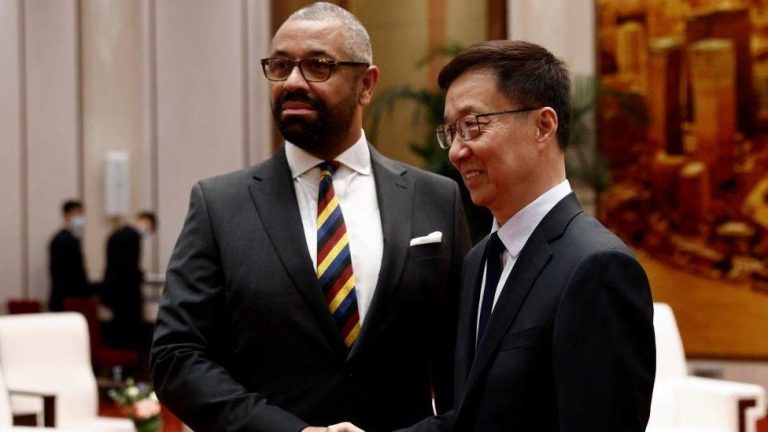
The UK government is under increasing pressure to take a tougher stance against Beijing following the arrest of a parliamentary researcher accused of spying for China. Senior Conservative MPs are calling for China to be classified as a threat, a move supported by some cabinet ministers. Rishi Sunak expressed concerns about Chinese interference to China’s premier during the G20 summit in India.

China has denied spying accusations, dismissing them as “malicious slander. The Metropolitan Police confirmed that two men were arrested under the Official Secrets Act in March. Both were released on bail, and the Met’s Counter Terrorism Command is investigating. The researcher in question reportedly had connections to several Conservative MPs, including security minister Tom Tugendhat and foreign affairs committee chairwoman Alicia Kearns.

The arrest has reignited the debate within the Conservative Party about whether the UK should adopt a tougher stance on China. Some Tories advocate classifying Beijing as a threat, a step resisted by government ministers. Senior Conservative backbenchers, such as former leader Sir Iain Duncan Smith and MP Tim Loughton, are pushing for action. Duncan Smith emphasised the deepening threat posed by the Chinese Communist Party (CCP) under President Xi, while Loughton highlighted the CCP’s reach into British institutions.

While some cabinet ministers support stricter measures, including Home Secretary Suella Braverman, Business Secretary Kemi Badenoch cautioned against using provocative language, suggesting it would escalate tensions. Badenoch argued that the UK’s current position, acknowledging China as an “epoch-defining challenge,” aligns with the stance of British allies.

Rishi Sunak conveyed “very strong concerns” about interference in British democracy to China’s Premier Li Qiang but stressed the importance of active engagement rather than sideline criticism.

This incident underscores the complex relationship between the UK and China, balancing economic interests, national security, and concerns about foreign interference. The government must navigate these challenges while responding to growing calls for a tougher stance on China.

Apple stock drops due to reports of a Chinese government iPhone ban.

0

Apple’s shares have experienced a consecutive two-day drop following reports of a ban on Chinese government workers using iPhones. The company’s market valuation has declined by over 6%, or nearly $200 billion, during this period. China is a crucial market for Apple, representing 18% of its total revenue in the previous year and serving as the primary manufacturing location for its products through its primary supplier, Foxconn.

The initial report from The Wall Street Journal revealed that Beijing had instructed central government agency officials to refrain from bringing iPhones to the office or using them for work. Subsequently, Bloomberg News indicated that the ban might extend to employees at state-owned firms and government-backed entities. These developments occurred just ahead of the expected launch of the iPhone 15 on September 12.

Although there has been no official statement from the Chinese government regarding these reports, they have already impacted Apple’s stock and the shares of some of its suppliers. Qualcomm, the world’s leading supplier of smartphone chips, saw its stock drop by more than 7%, while South Korea’s SK Hynix experienced a roughly 4% decline.

This situation unfolds amid escalating tensions between the United States and China. In response to restrictions imposed by Washington and its allies on China’s access to certain chip technology, China reciprocated by limiting exports of materials crucial to the semiconductor industry. Additionally, Beijing is reportedly preparing a $40 billion investment fund to bolster its chip manufacturing sector.

Huawei, a prominent Chinese tech company, unexpectedly unveiled its Mate 60 Pro smartphone during a visit by US Commerce Secretary Gina Raimondo to Beijing. The phone features a new 5G Kirin 9000s processor developed by China’s largest contract chipmaker, SMIC. This development was seen as a significant technical advancement for China’s semiconductor industry, highlighting its progress.

US Congressman Mike Gallagher, who chairs the House of Representatives committee on China, has called on the Commerce Department to further restrict exports to Huawei and SMIC, indicating that the ongoing tech rivalry between the US and China continues to intensify.

Thumb-Grip Technique Touted as Quick Anxiety Relief on Social Media

0

Social media platforms frequently circulate intriguing information about our bodies, and one such technique making waves claims to alleviate anxiety swiftly by firmly clasping one’s thumb with the other hand. Professional hypnotist Mike Mandel asserts that the thumb-grip method induces a pulsation in the thumb, which, in a matter of seconds, can effectively dissipate anxiety.

Mandel emphasises the importance of using this technique to clear the meridian, a concept he underscores in a video shared on the Mindsethub Instagram page.

According to Dr. Santosh Pandey, a naturopath and acupuncturist at Rejua Energy Centre in Mumbai, acupressure on the thumb can serve as a potential technique to alleviate anxiety symptoms. He specifies that the point associated with anxiety relief lies on the thumb’s flesh, near the base of the nail. Applying gentle pressure to this point while taking slow, deep breaths can induce relaxation and reduce anxiety.

However, experts caution that acupressure, while potentially helpful, is not a comprehensive solution for severe anxiety. Dr. Gorav Gupta, a senior consultant psychiatrist at Tulasi Healthcare in New Delhi, acknowledges that in the early stages of anxiety or mild stress, engaging in physical actions like the thumb-grip technique may create a distraction and offer a calming effect.

Nonetheless, as anxiety progresses and becomes more intricate or deeply rooted, the thumb-grip technique’s efficacy diminishes. Dr. Gupta underscores that anxiety often involves complex thought patterns, emotional responses, and physiological reactions. Addressing such multifaceted and ingrained anxiety necessitates comprehensive strategies, which may involve cognitive-behavioral techniques, mindfulness practices, therapy, or even medication when appropriate.

In conclusion, experts recommend exploring a range of strategies that encompass the psychological, emotional, and behavioral aspects of anxiety management for comprehensive and lasting relief. Consulting a mental health professional can provide personalised guidance tailored to an individual’s specific anxiety concerns. While the thumb-grip technique may offer some temporary respite, it is not a substitute for more comprehensive approaches to anxiety treatment.